
Top-Rated Products For Foundation Stabilization And Repair
Explore highly-rated products designed to reinforce and stabilize your foundation, ensuring safety and peace of mind.
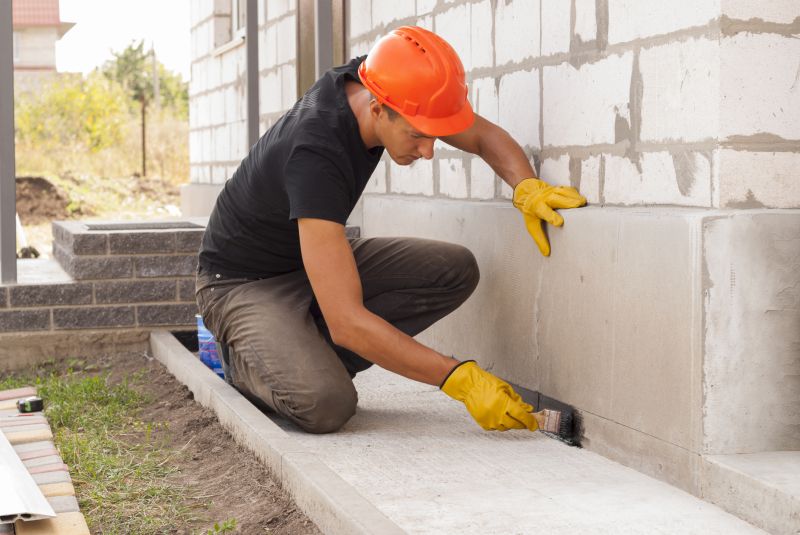 Foundation repairs are a critical aspect of maintaining the structural integrity of a building, especially in areas prone to soil movement or moisture fluctuations. A variety of products are available to address different types of foundation issues, from minor cracks to significant settling or shifting. Selecting the appropriate repair products requires understanding the specific problem, the foundation type, and the underlying soil conditions. Proper application and quality materials can help stabilize a foundation and prevent further damage, ultimately preserving the safety and value of a property.
Types of Products For Foundation Repairs
Concrete Crack Fillers
Used to seal minor cracks and prevent water infiltration, helping to maintain the integrity of the foundation surface.
Hydraulic Piering Systems
Support systems that lift and stabilize sinking or settling foundations by installing steel piers beneath the structure.
Polyurethane Foam Injection
Expandable foam injected into voids or beneath slabs to lift and stabilize foundations with minimal disruption.
Carbon Fiber Reinforcement
Fiber strips applied to the interior or exterior of walls to reinforce and prevent crack propagation.
Soil Stabilization Products
Materials designed to improve soil strength and reduce shifting that can impact foundations.
Underpinning Piles
Deep foundation support elements used to transfer load to stable soil layers beneath the existing foundation.
Mudjacking and Slab Jacking
Methods that lift sunken concrete slabs by injecting a mixture of grout or mud beneath them.
Waterproofing Membranes
Protective barriers applied to foundation walls to prevent water intrusion and reduce soil erosion.
Anchor Bolts and Wall Braces
Hardware used to stabilize walls and prevent movement caused by lateral soil pressure.
Drainage Systems
Solutions that improve water runoff away from the foundation to prevent moisture-related issues.
Foundation Repair Sealants
Flexible sealants used to fill gaps and cracks, preventing water ingress and further deterioration.
Steel Push Piers
Support systems that lift and stabilize foundations by pushing steel piers into the ground beneath the structure.
Grout and Epoxy Resins
Materials used to fill cracks and reinforce weakened concrete or masonry elements.
Vapor Barriers
Installations that reduce moisture vapor transmission through basement or crawl space floors.
Foundation Jack Posts
Adjustable supports used to lift and level uneven floors or slabs.
Popular Choices
A flexible solution for addressing voids and minor settling, often favored for its quick application.
Commonly used for significant settlement issues requiring deep support and stabilization.
Widely used for sealing surface cracks and preventing water infiltration.
Popular for reinforcing cracked walls and preventing further structural damage.
A cost-effective method for lifting sunken concrete slabs in driveways and sidewalks.
Enhancing water management around foundations remains a common preventative measure.
Frequently chosen to protect basement walls from moisture intrusion.
Used to level uneven floors and stabilize sagging structures.
Often selected for their strength and ability to lift and stabilize foundations under heavy loads.
Common for sealing and restoring structural integrity of cracked concrete.
Popular for stabilizing walls and preventing lateral movement.
Chosen for moisture control in basements and crawl spaces.
Frequently used to reinforce weak points and prevent further shifting.
Essential for directing water away from foundations and reducing soil erosion.
Commonly used for sealing small cracks and joints to prevent water entry.
In Clarkston, Michigan, where soil conditions and weather patterns can influence foundation stability, it is important to choose products that are suited to local needs. Foundation repair products can range from simple crack fillers to complex underpinning systems. While some solutions are suitable for DIY applications, others require professional installation to ensure safety and effectiveness. Consulting with a foundation specialist can help determine the most appropriate products and techniques for your specific situation.
Many foundation repair products are designed to be durable, resistant to moisture, and capable of supporting the structure over time. It is essential to select materials that match the severity of the issue, whether it involves minor cosmetic cracks or more serious structural concerns. Properly chosen products can help mitigate further damage, improve load distribution, and restore stability. Regular inspections and timely repairs with the right products can extend the lifespan of a building and protect its foundation against ongoing soil and environmental challenges.
Key Buying Considerations
- Assess the severity and type of foundation issue before selecting products.
- Consider the foundation material (concrete, masonry, etc.) to ensure compatibility.
- Evaluate whether the repair requires a DIY approach or professional installation.
- Check product durability and resistance to moisture and temperature fluctuations.
- Determine if the solution provides support, stabilization, or both.
- Understand the soil conditions and how they influence foundation stability.
- Review the size and scope of the repair area to select appropriately scaled products.
- Consider the environmental impact and safety of the repair materials used.
- Look for products with clear application instructions and manufacturer support.
- Factor in long-term maintenance requirements and product lifespan.
- Ensure compatibility with existing foundation structures and materials.
- Identify if the product can address multiple issues simultaneously (e.g., cracks and settlement).
- Evaluate the cost-effectiveness relative to the extent of repair needed.
- Research local building codes and regulations regarding foundation repairs.
- Consult with a foundation specialist for tailored recommendations.